Including 3 Georgia State Historic Sites
We got to Skidaway State Park (south of Savannah) on Sunday, in time to watch most of the Bronco-Patriots game and all of the Rams-Seahawks game. Now looking forward to the Patriots-Seahawks Superbowl! (And yes, we are all in for a Seahawks win.) Then we had 4 days to hang out and explore the history of the area and get in some walking. Note RPI Grads, you may get a chuckle reading through here, if you look carefully!
Explorations north, south and local to Skidaway
We spent 2 afternoons visiting local sites (i.e. <15 minutes away), 1 day in Savannah visiting 2 historical homes and taking a walking tour, 1 afternoon visiting 2 historic forts, and got in some hiking around Skidaway. That’s 7 places where we learned more Georgia/Savannah History:
- Wormsloe State Historic Site, where a breathtaking (1 mile) avenue sheltered by live oaks and Spanish moss leads to the tabby ruins of Wormsloe, the colonial estate of Noble Jones (1702–1775), Jones was a carpenter who arrived in Georgia in 1733 with James Oglethorpe and the first group of settlers from England. Wormsloe’s tabby ruin is one of the oldest standing structures in Savannah, built by Captain Noble Jones in the 1730’s.
- Juliette Gordon Low Birthplace Museum, where we got a tour of the house and learned a lot about Juliette’s life and her inspiration for the Girl Scouts.
- Green-Meldrim House, a National Historic Landmark, one of the finest examples of Gothic Revival Architecture in the south, and Sherman’s Headquarters for 6 weeks after Savannah surrendered.
- 40 Acres & a Mule, a 2 hour, private walking tour, telling the story of “where the quest for racial equity began in America.” Fascinating! Our tour guide and his wife also sponsor a play about Susie King Taylor (1848–1912), recognized as the first African American Army nurse, serving for the Union while volunteering as a teacher, laundress, and caregiver for the 33rd U.S. Colored Troops in Georgia.
- Fort Morris State Historic Site, which preserves the original earthworks that of the fort defending the commercial seaport of Sunbury and the strategic Medway River during the American Revolution and War of 1812.
- Fort McAllister State Historic Site, showcases the best-preserved earthwork fortification of the Confederacy. The earthworks were attacked seven times by Union ironclads but did not fall until 1864—ending General William T. Sherman’s “March to the Sea.” We explored the museum and the grounds with cannons, a hot shot furnace, bombproof barracks, palisades and more.
- Pin Point Heritage Museum, located in the former A.S. Varn & Son Oyster and Crab Factory, close to Moon River Marsh, it has exhibits on the historical experience of growing up in Pin Point, a community founded by formerly enslaved African Americans and their descendants in the 1890s and thus part of coastal Georgia’s rich Gullah-Geechee culture. It also shows how the factory operated for several decades.
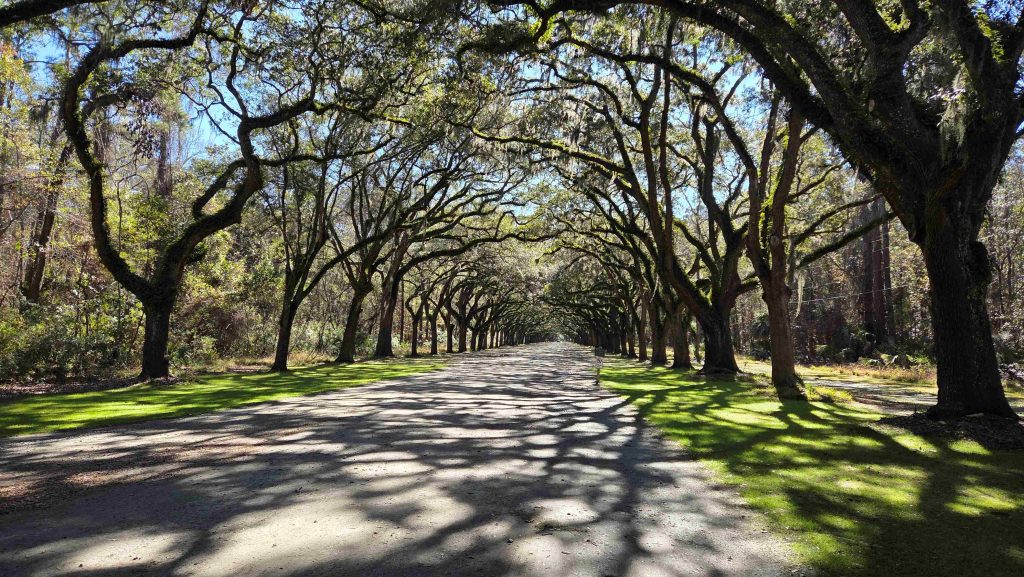
Wormsloe Live Oak Lined Avenue 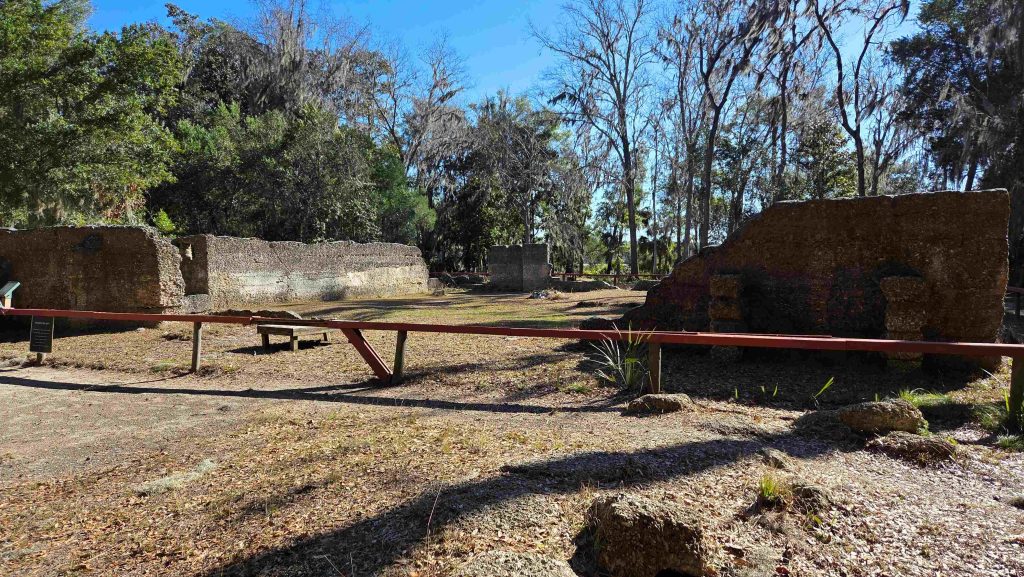
Wormsloe Tabby House remains (tabby is a cement made with oyster shells for strength) 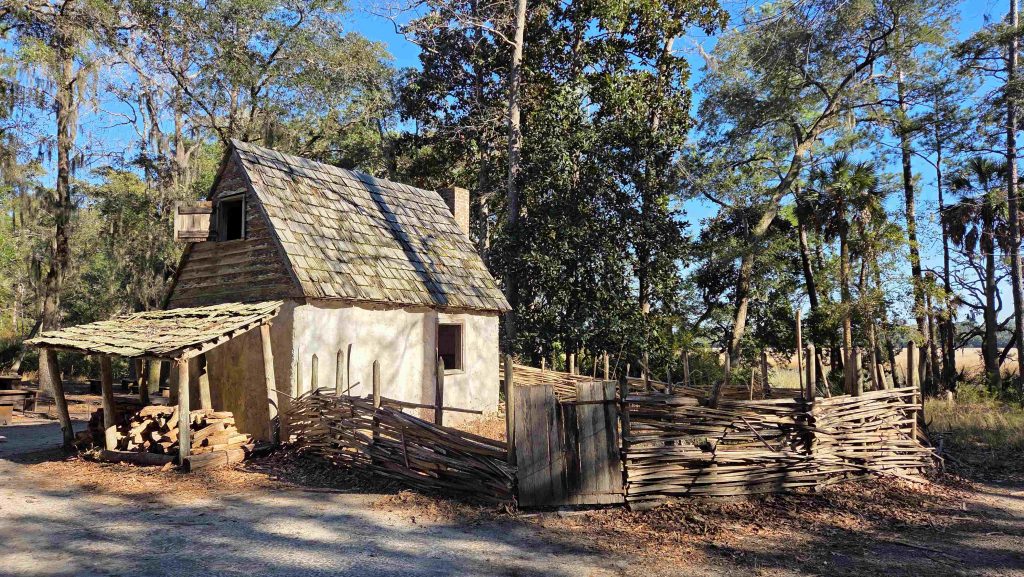
Wormsloe reconstructed colonial home 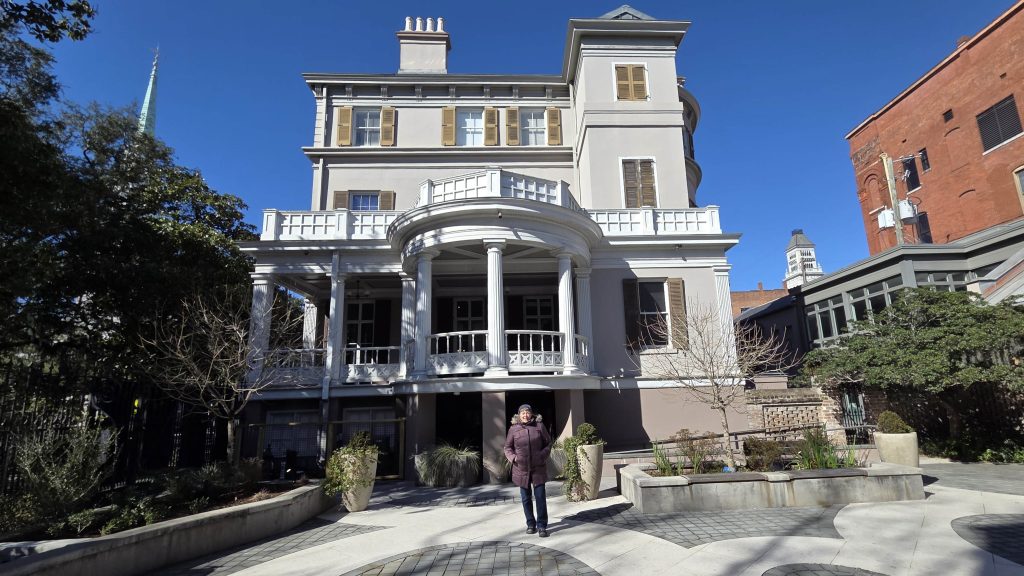
Savannah-Juliette Gordon Low House 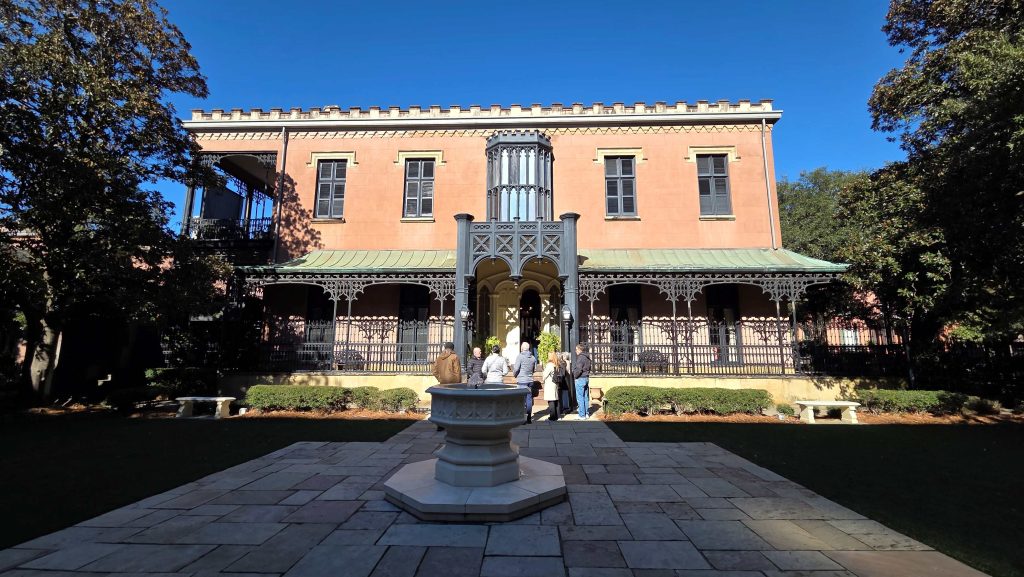
Savannah-Green-Meldrim House, Sherman’s Headquarters for 6 weeks 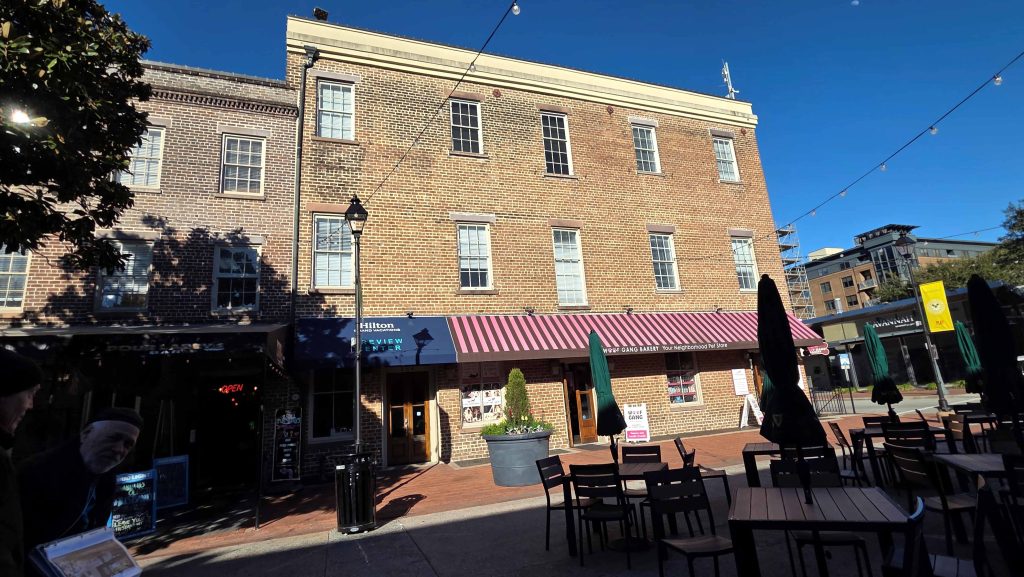
Savannah- The Top Floor of this building, pre Civil War was a Slave Market. Post Civil War it became the first school for freed African American children in the city 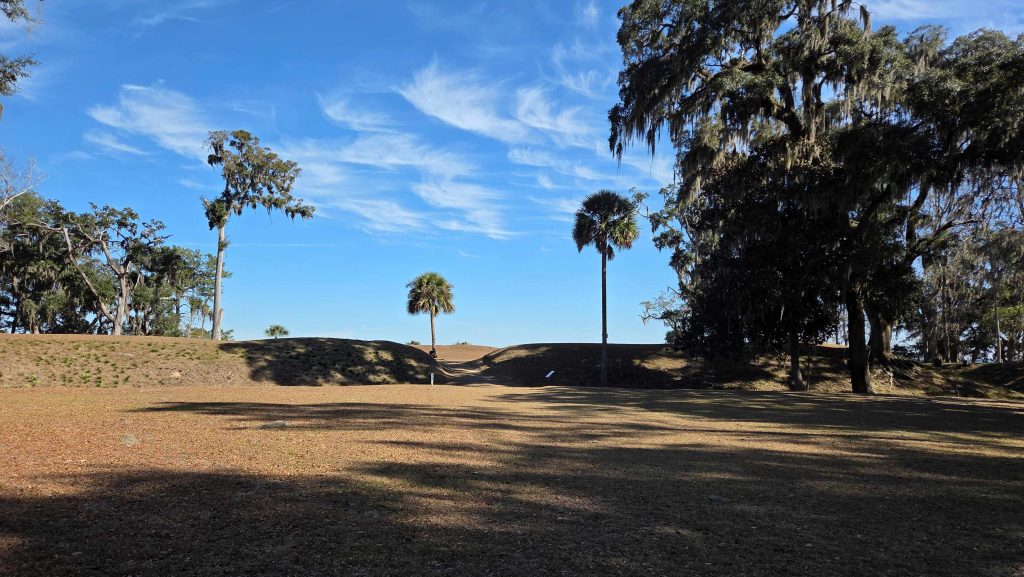
Fort Morris, entering the earthworks fort 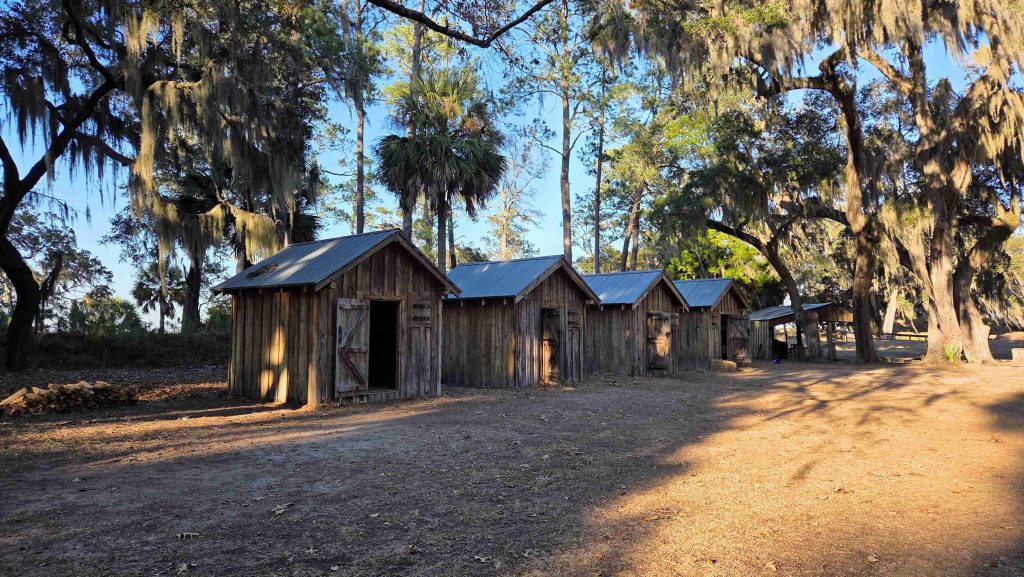
Fort McAllister Barracks (not the bomb proof ones) 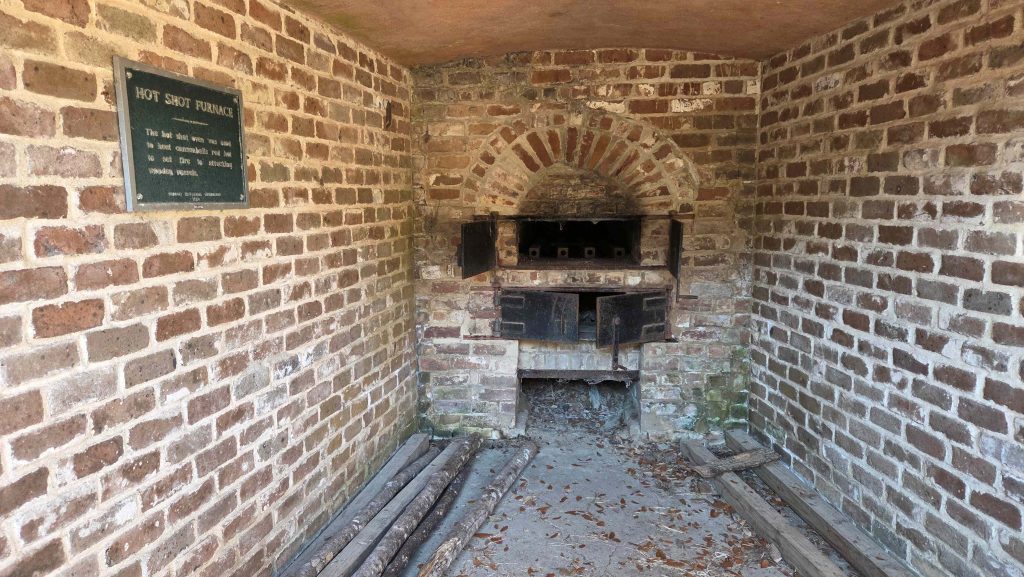
Fort McAllister Hot Shot Furnace 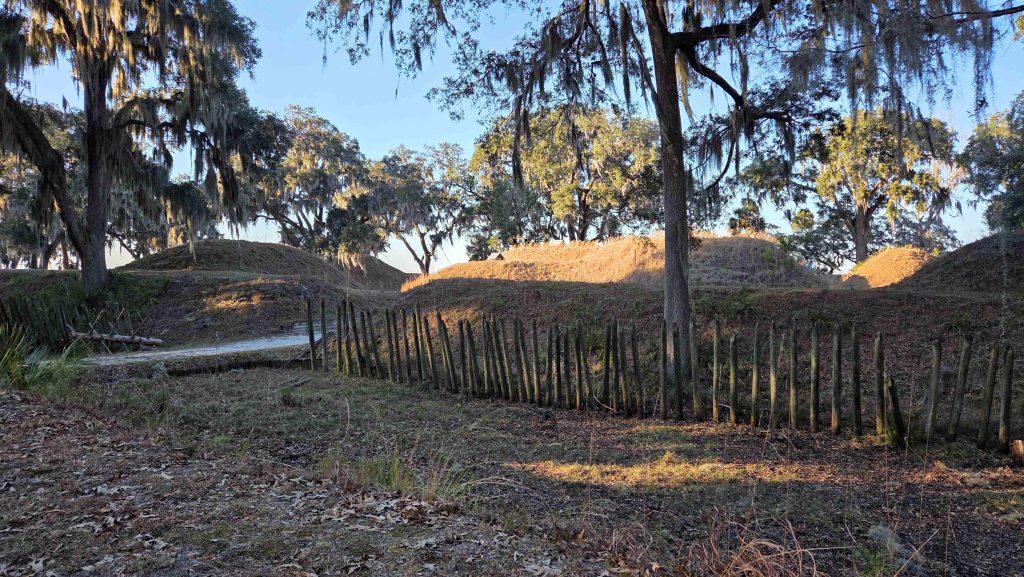
Fort McAllister-View of the earthworks and the Moat with spikes for protection 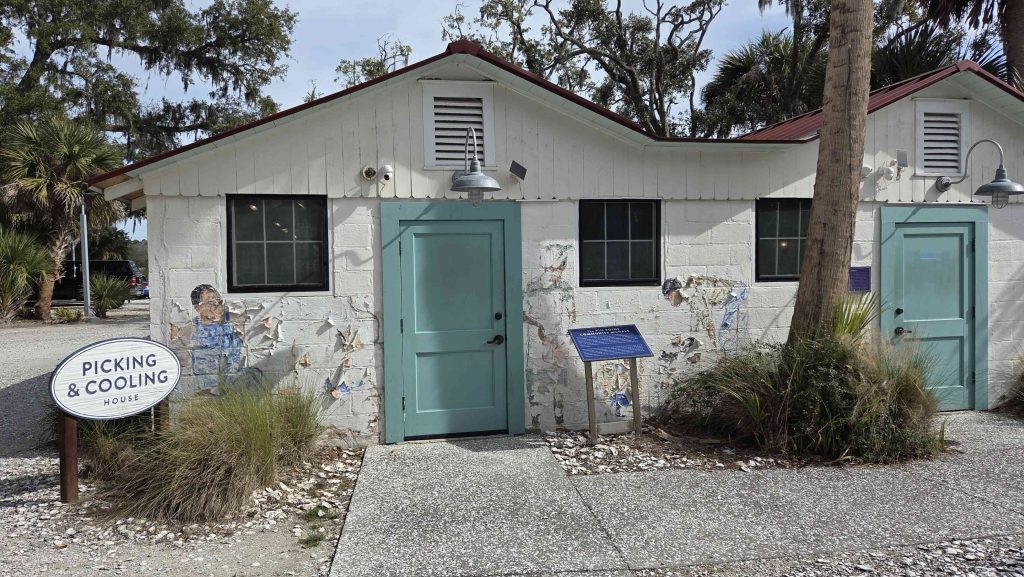
Pin Point Pickling & Cooling Building (now the primary museum exhibit about the history 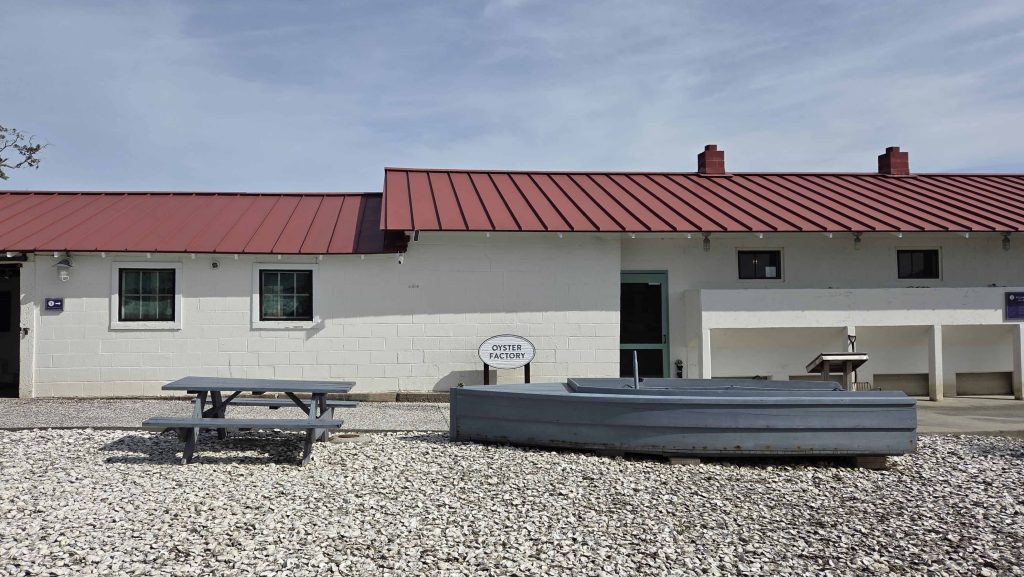
Pin Point Oyster House…actually pretty fascination how the process worked 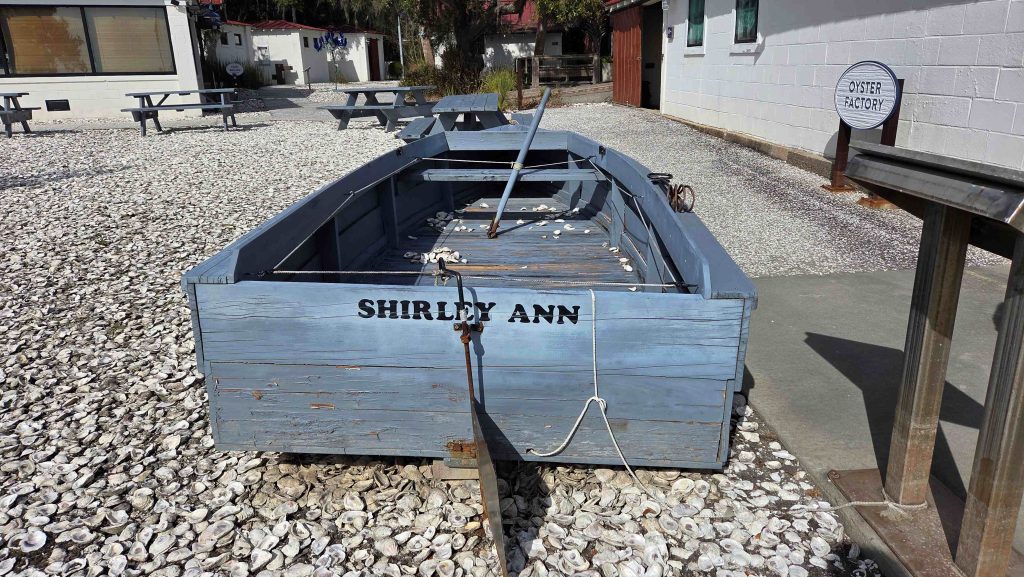
Pin Point Bateau used for oystering 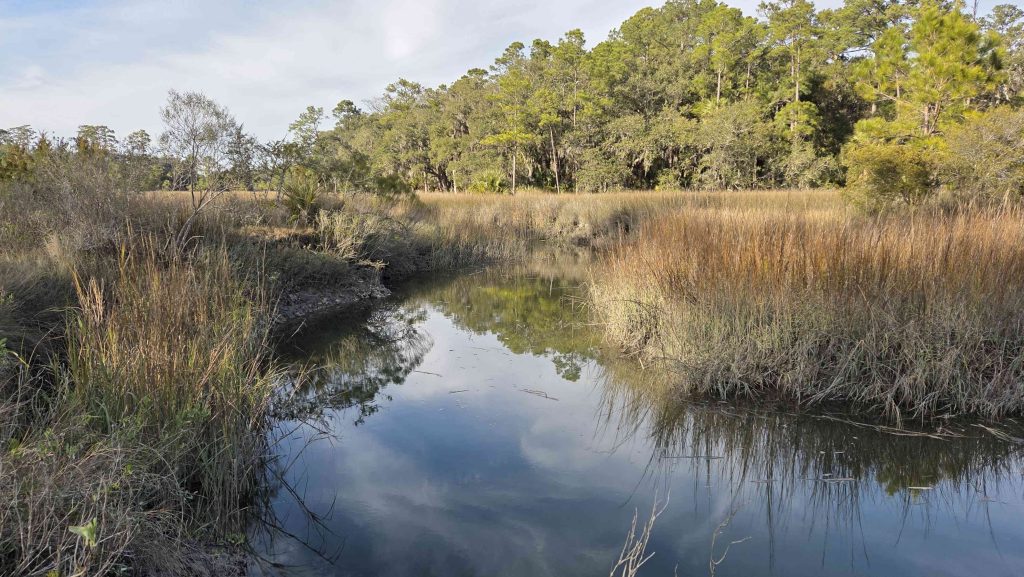
Still in the Low Country…hiking around Skida way
Off for Jekyll Island
For more pictures (later), see Adventure Album: South for the Winter
0 Comments