Two frontier forts, prairie towns, and a prairie storm!
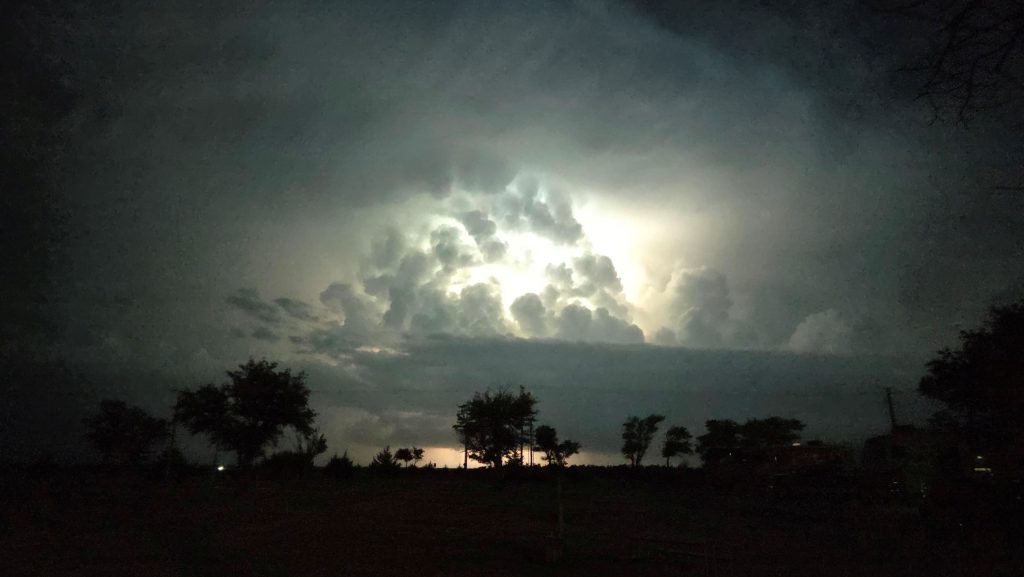
no thunder over the I-70 traffic noise
Staying in WaKeeney, Kansas, which sits right in the ecological transition zone of the Great Plains, where the lusher mixed-grass and tallgrass elements from the east fade into the arid shortgrass prairie and chalky limestone outcroppings of western Kansas.
Thursday the temps finally lowered a bit, especially after the big storm that night! We got quite a light show across the prairie. Sat outside watching it a good 30 minutes before it got close to us.
Visits to 2 new National Park Sites:
One stop on Wednesday, about half-way to WaKeeney from Lake Kalopolis.
- Fort Larned National Historic Site (#359), a complete and authentic army post from the 1860s -1870s! This well-preserved fort on the Santa Fe Trail shares a tumultuous history of the Indian Wars era. The sandstone constructed buildings (built in the latter years of the fort’s history) sheltered troops who were known as the Guardians of the Santa Fe Trail. Fort Larned was the first post for Company A, Tenth Cavelry, the first All Black Regular Regiment, authorized by Congress in 1866.
- Santa Fe National Historic Trail, used largely by freight wagons carrying cargo between western Missouri and Santa Fe, New Mexico, went right by Fort Larned, so we got to walk on it. We’ve also seen it at Fort Union in New Mexico.
We arrived ~9:15, so we managed to explore the grounds and fort buildings before the temp broke 100o, leaving the Visitor Center for last (A/C)! LOTS of different buildings, displays and artifacts. One tidbit we don’t recall fully grasping at any other Prairie Frontier Fort, was that there are no walls! No Wood!
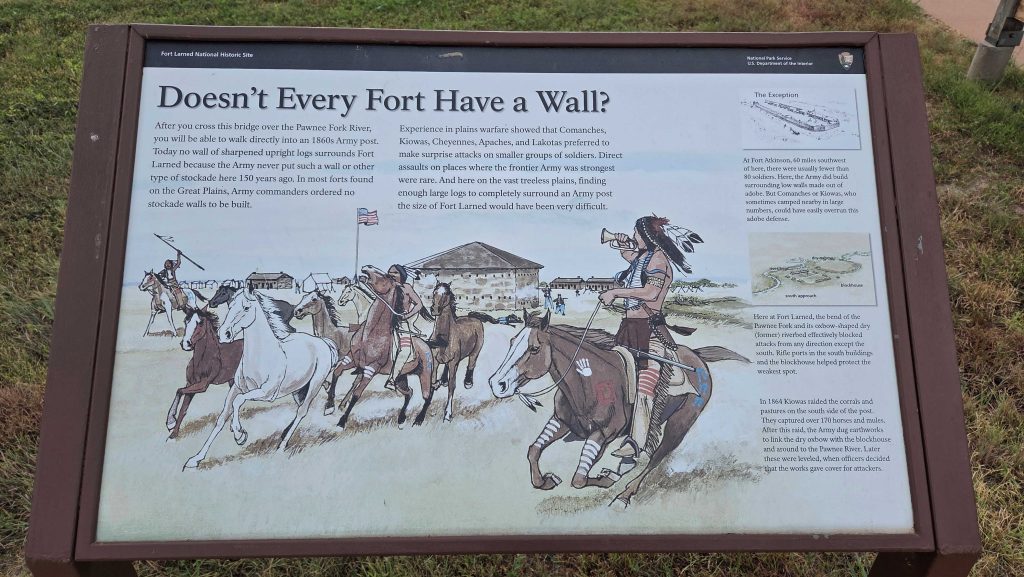
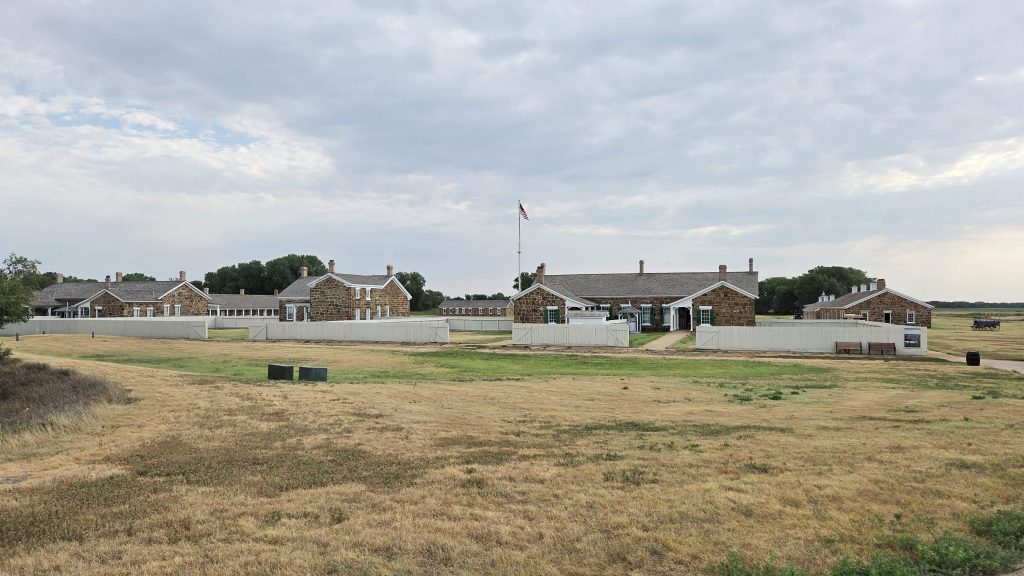
Fort Larned National Historic Site-entering the fort…no walls 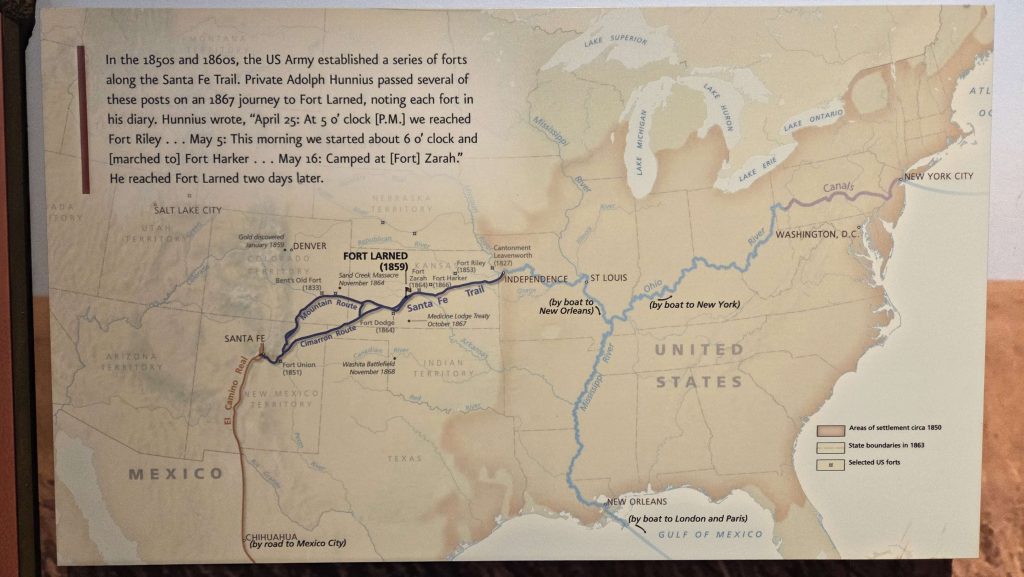
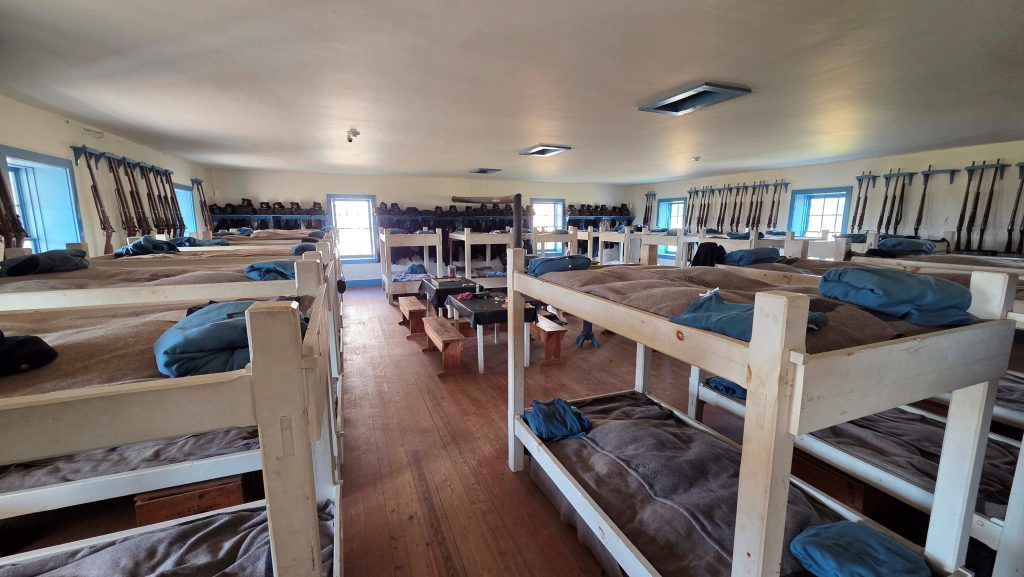
Fort Larned National Historic Site-example Barracks 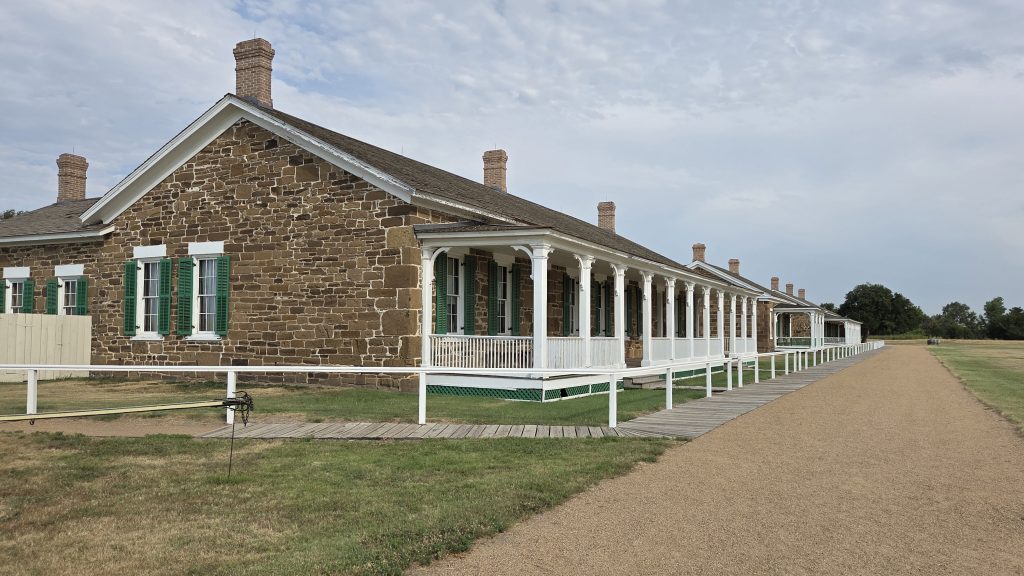
Fort Larned National Historic Site-Officer’ Quarters- 1st Building is 2 “Duplexes” 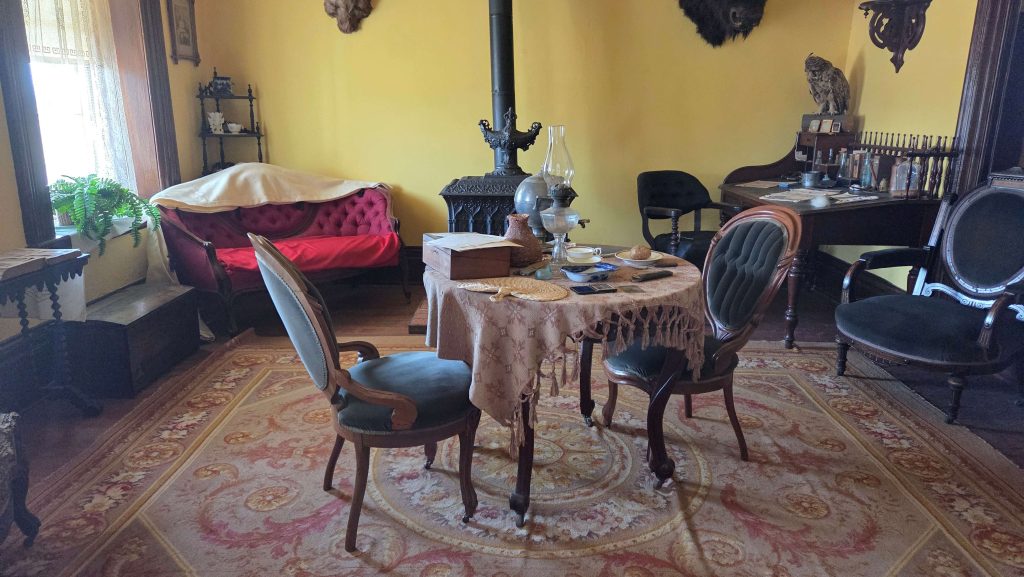
Fort Larned National Historic Site-One Officer Quarters Livingroom. 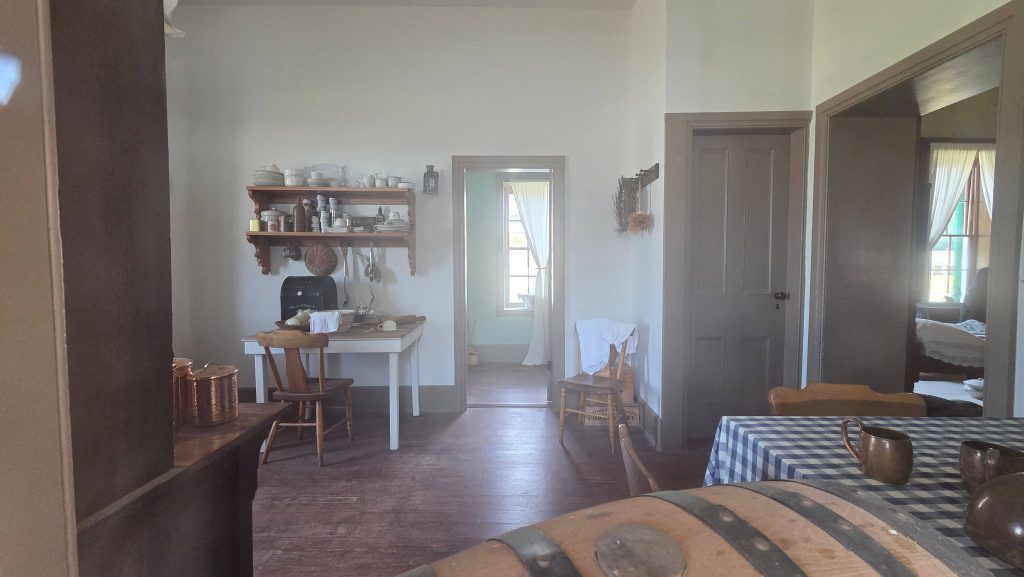
Fort Larned National Historic Site-One Officer Quarters Shared Diningroom with Kitchen behind 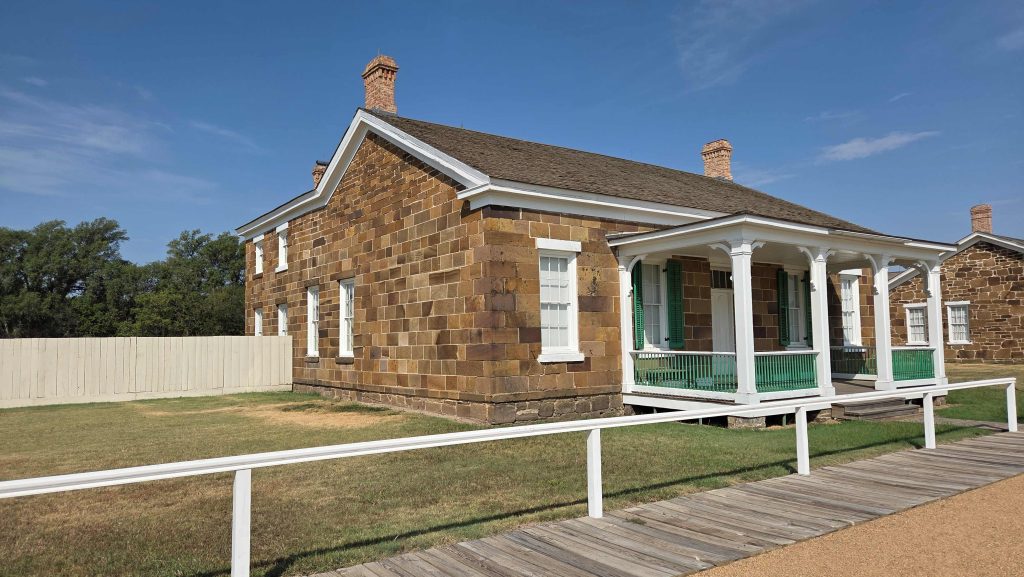
Fort Larned National Historic Site-Commandants Quarters, middle building between 2 sets of duplexes 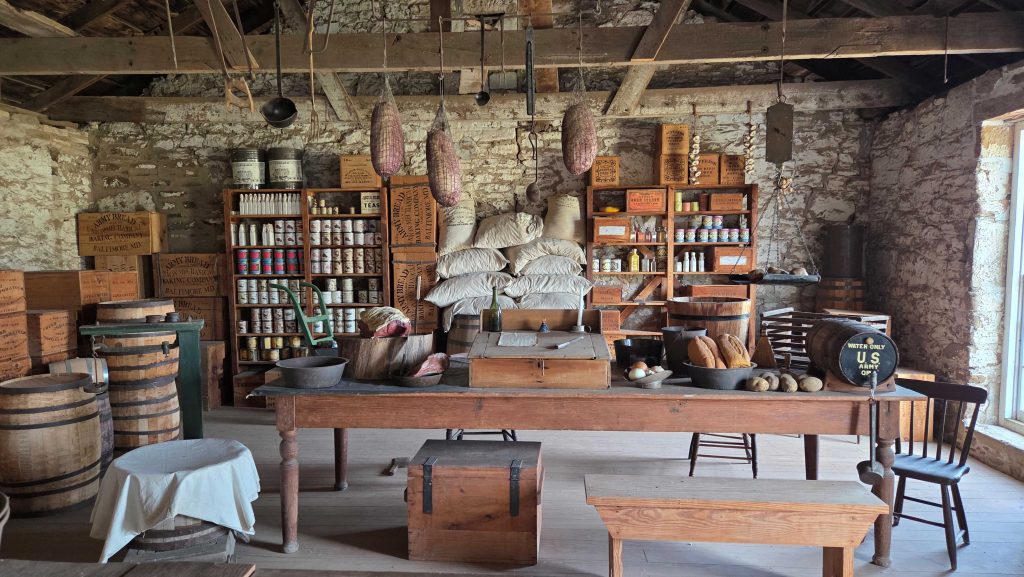
Fort Larned National Historic Site-One little bit of the Old Commisary
First stop on loop drive Thursday
- Nicodemus National Historic Site (#360), the oldest remaining Black settlement west of the Mississippi River, established by formerly enslaved African Americans who left Kentucky at the end of the post-Civil War Reconstruction period to experience freedom in the “Promised Land” of Kansas. Nicodemus represents the involvement of African Americans in the homesteading movement across the Great Plains. A few descendents of the original settlers still live there, and many others return for the annual reunion.
There are Five Historic Buildings (2 are open, 3 need work) which represent the spirit of Nicodemus – church, self-government, education, home, and business. We learned the history of Nicodemus via the resident Ranger, displays and a number of videos at Nicodemus Township Hall, which houses the Visitor Center, and then walked around to see the others.
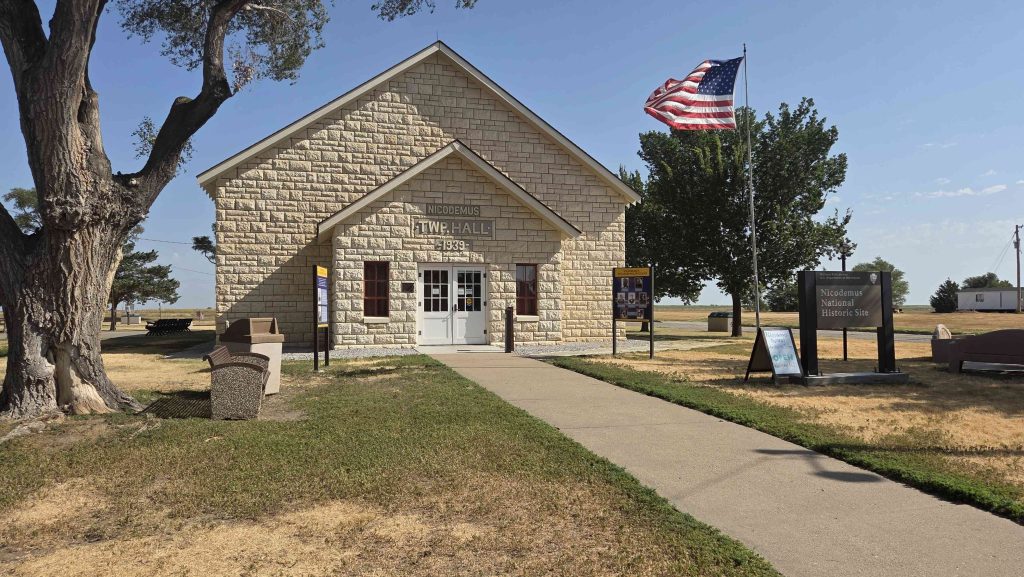
Nicodemus Township Hall & Nicodemus NHS Visitor Center 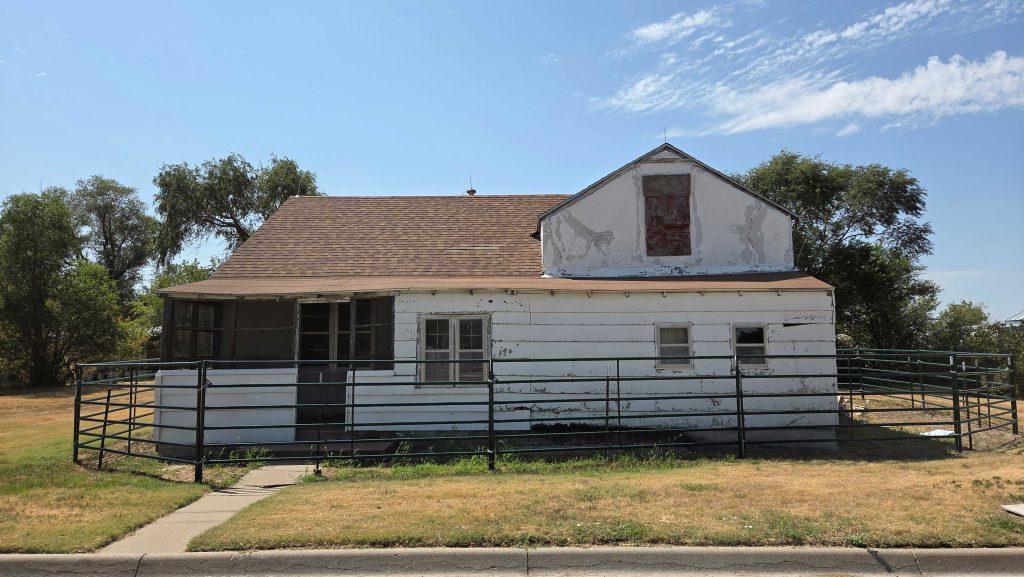
Nicodemus NHS-St. Francis Hotel, Fletcher-Switzer Residence, and 1st Post Office 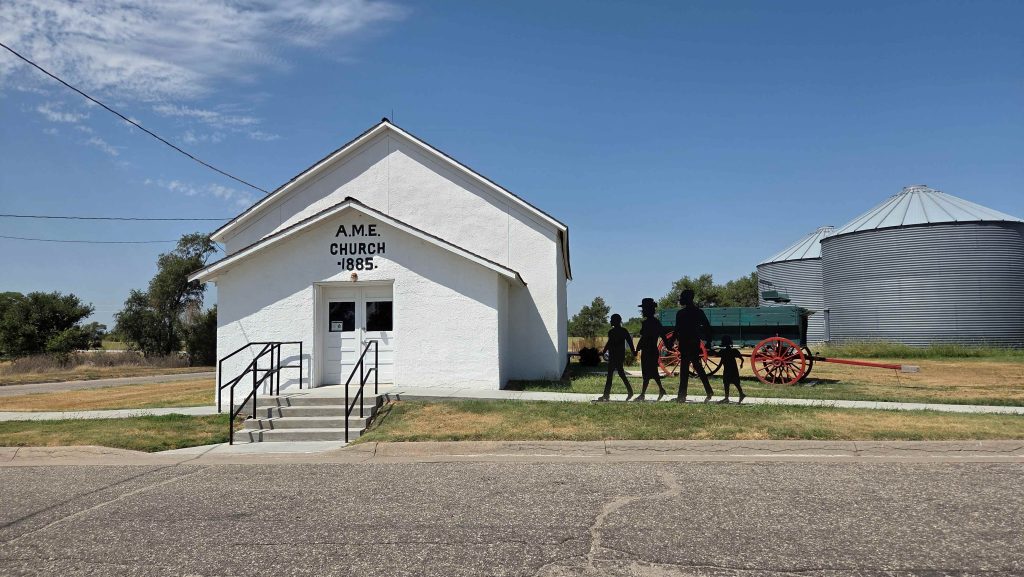
Nicodemus NHS-The African Methodist Episcopal (A.M.E.) Church 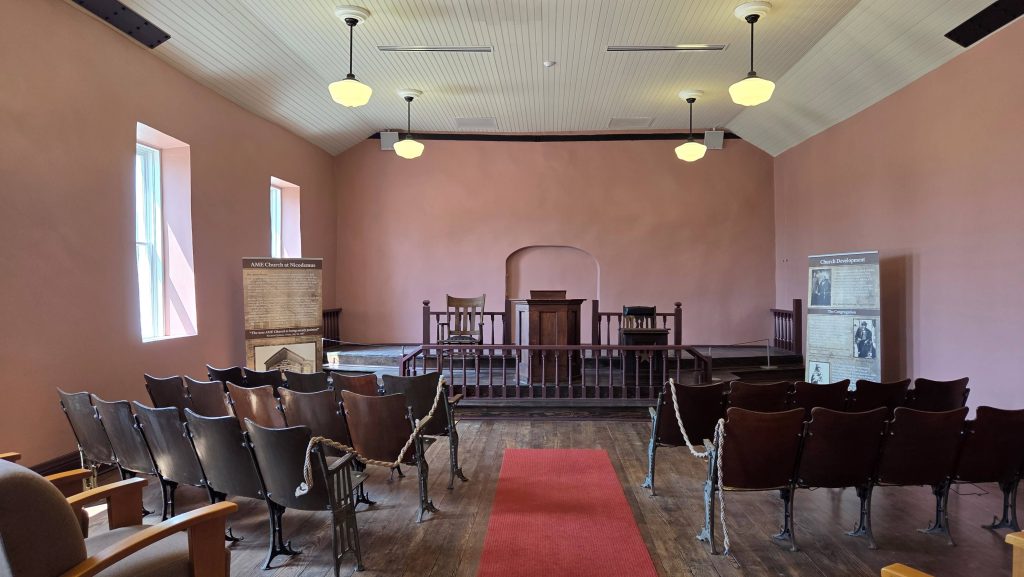
Nicodemus NHS-The African Methodist Episcopal (A.M.E.) Church 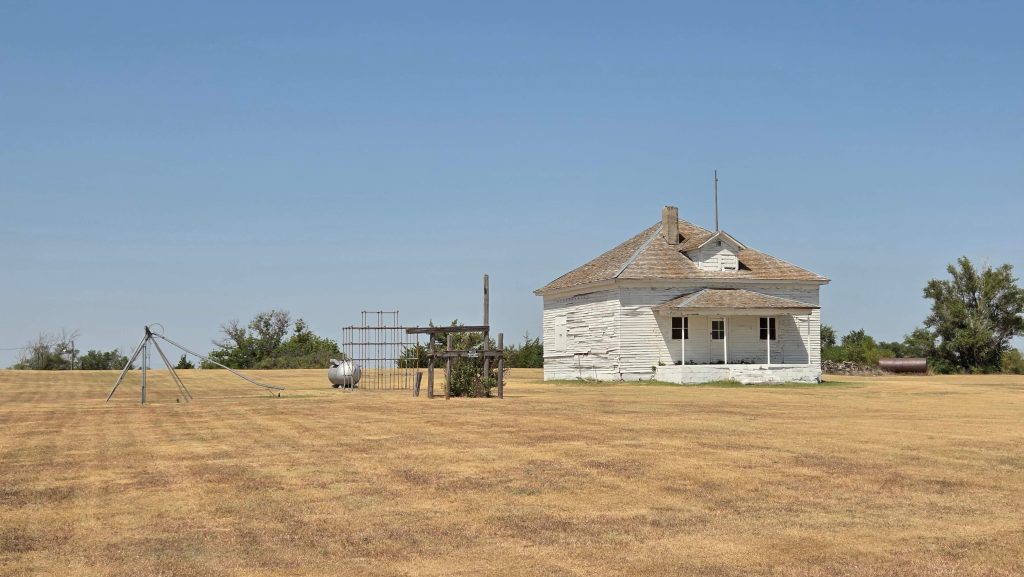
Nicodemus NHS-District Number 1 School 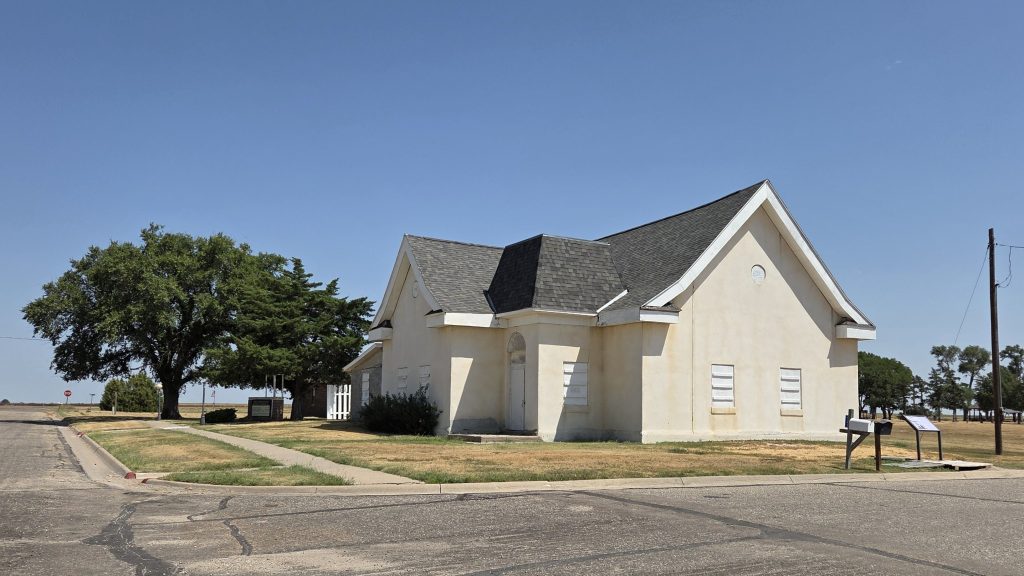
Nicodemus NHS-The Historic First Baptist Church
Note, these 2 National Parks are our last 2 for Kansas, giving us 30 states “complete”. We’ve also now seen 50 New National Parks so far in 2026!
Another Frontier Fort and nearby Prairie Towns
Second stop on our loop drive Thursday was Fort Hays State Historic Site, established in 1867 to protect the construction workers who were building the Union Pacific Railroad. Only the original blockhouse, guardhouse, and one duplex of officers quarters remain, but they do a good job showing you how the fort was laid out. Interesting to note the similarities and differences of the Fort Larned vs Fort Hays officer quarters. Similar accomodations for married officers. Each duplex has a shared entry-way, dining room and kitchen, and then a parlor & bedroom on either side. Hays seemed more spacious, with the bedrooms on a second floor.
Across the street from Fort Hays is Frontier Park with its resident buffalo herd, begun in 1953 with a bull named Wild Bill and a cow named Calamity Jane. Each year the bison herd welcomes new calves and in the summer of 2017, a rare white bison, named Ghostbuster, joined the herd thanks to a local rancher.
We ended Thursday with a steak dinner back in WaKeeney at a local saloon, across the street from WaKeeney’s Christmas Park. Apparently, WaKeeney is known as the Christmas City of the High Plains (since 1950).
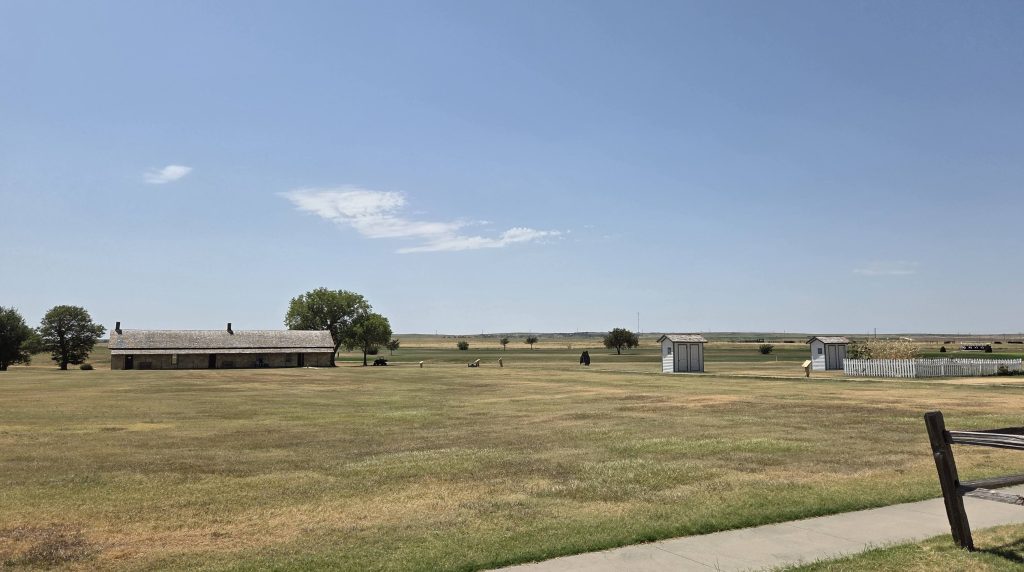
Fort Hays Historic Site-Looking out at the Gueardhouse and Officer Quarters Outhouses from the Visitor Center 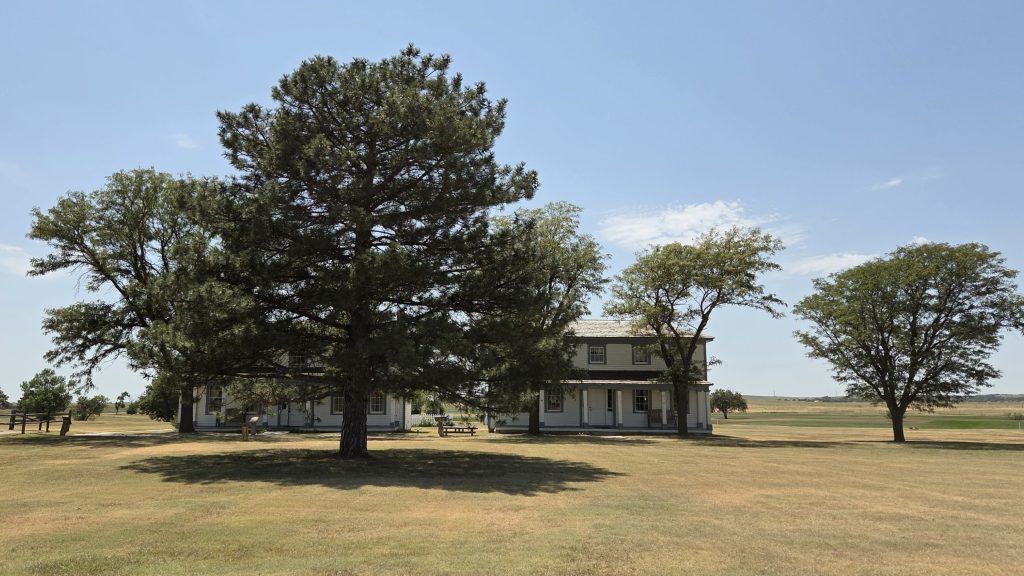
Fort Hays Historic Site-Two Officer Quarters duplexes, returned to their original locations when the park was formed. 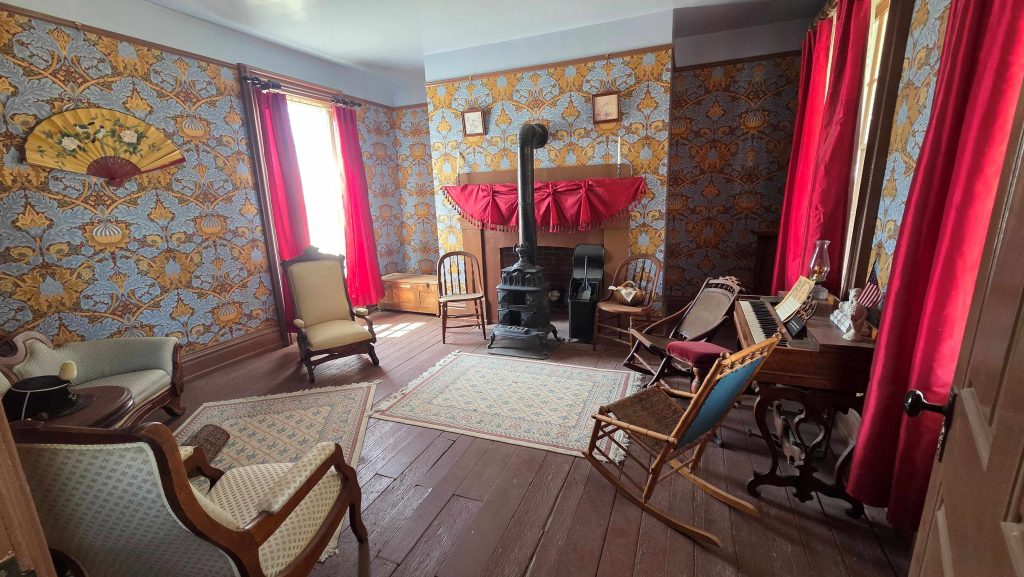
Fort Hays Historic Site-One Officer Quarters Livingroom. They were furnished by the officer & his wife 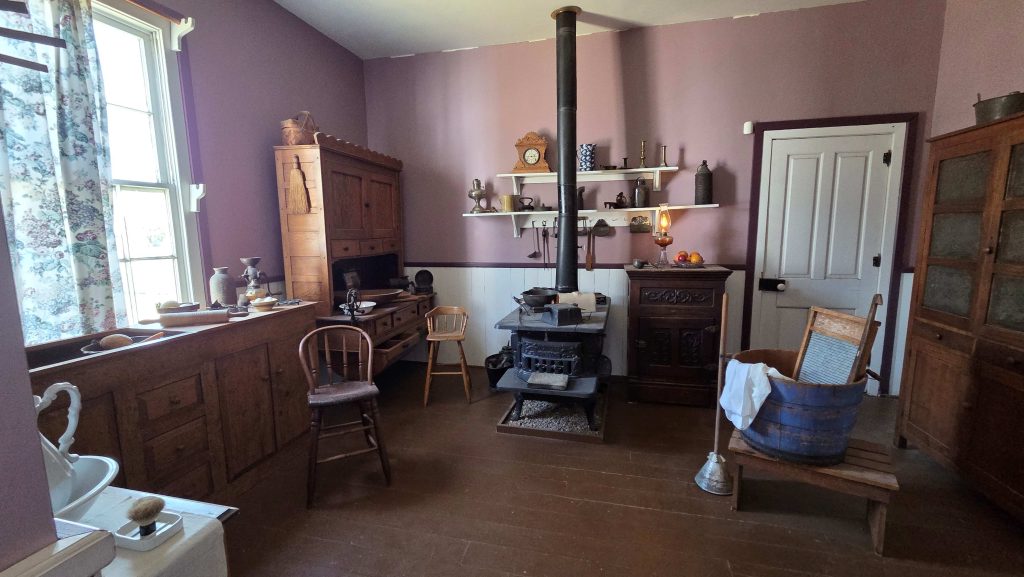
Fort Hays Historic Site-One Officer Quarters shared Kitchen 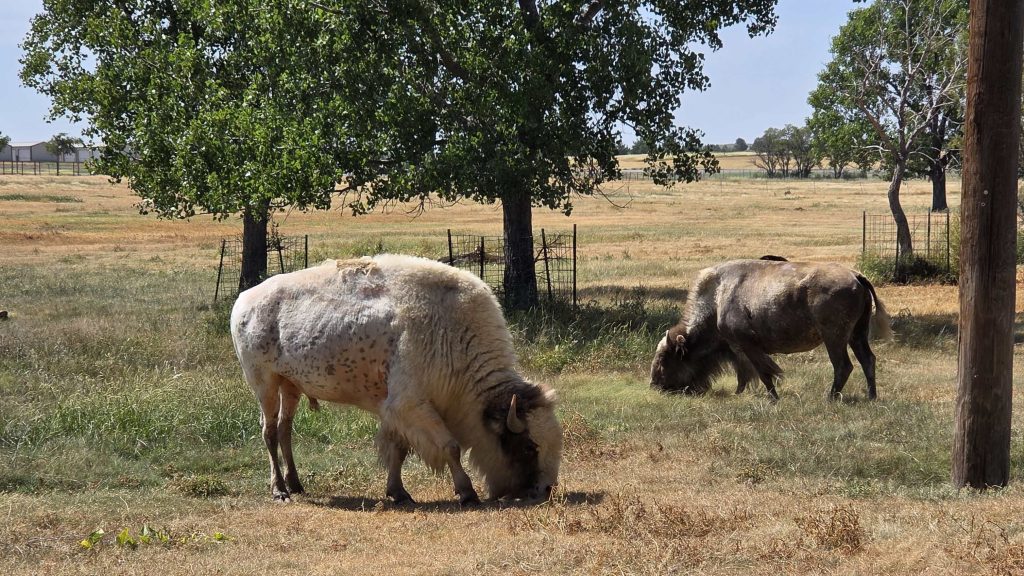
Frontier Park in Hays, Ghostbuster and another bison 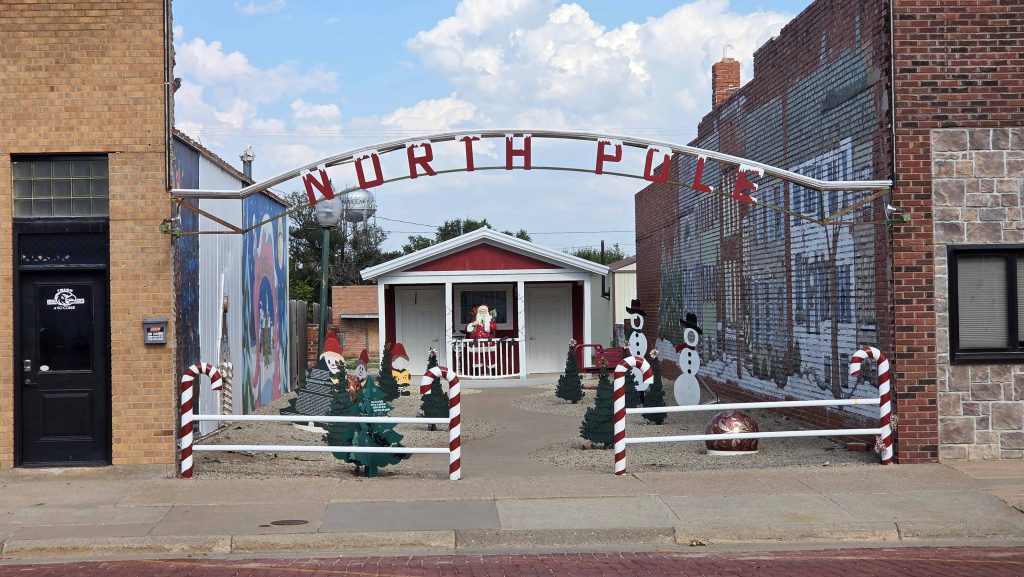
The North Pole in WaKeeney, Kansas
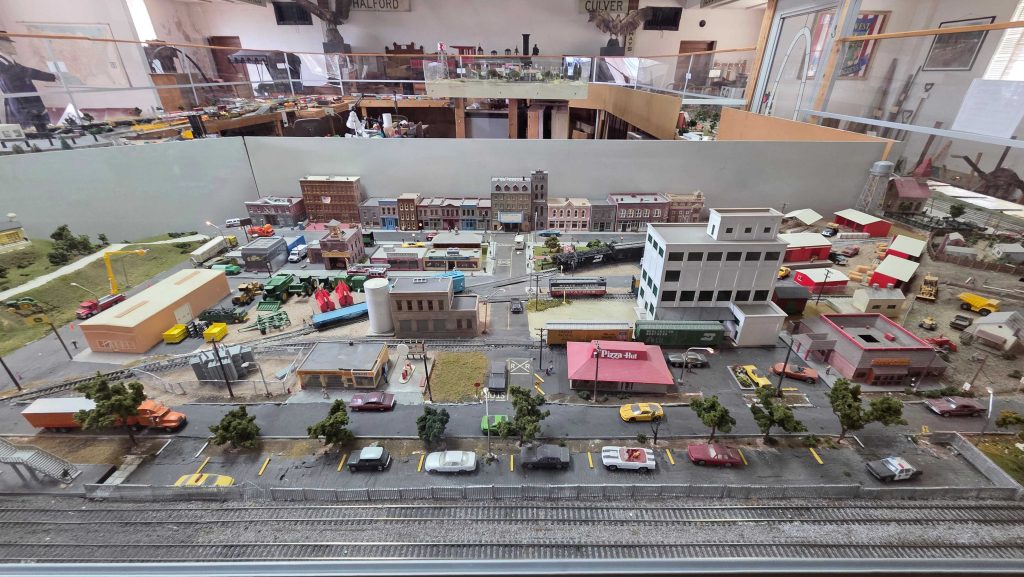
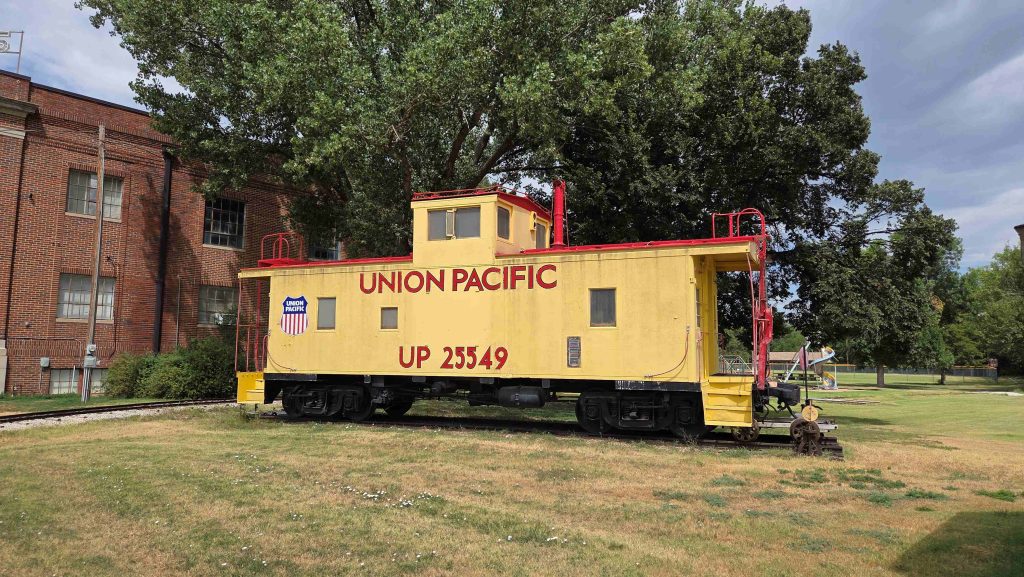
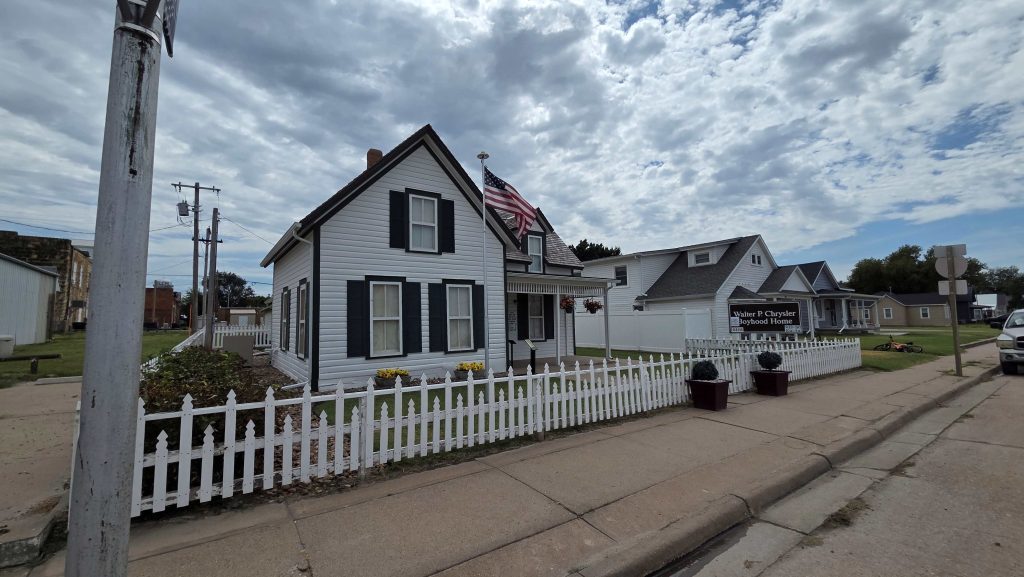
Friday we took a short trip to Ellis, Kansas and visited the Ellis Union Pacific Railroad Museum, featuring Union Pacific artifacts and an HO Model Railroad. Unfortunately, the Walter P. Chrysler Boyhood Home & Museum was unexpectedly closed, so we only saw the outside. Although, at the railroad museum, we did hear a bit about how the Ellis railyard helped educate the boy who would become the founder of Chrysler Motors.
On the way to Colorado (and Mountain Time)!
…where we will be zigzagging across the southern half of the state for the next 4 weeks, with 1 “dip” into northeastern New Mexico.
0 Comments